Have you noticed your vehicle pulling to one side? Is your steering wheel crooked even when you’re driving straight? Or are your tires wearing out faster than expected?
These are all common signs that your vehicle may need a wheel alignment. While it might seem like a small maintenance item, proper wheel alignment plays a major role in your vehicle’s safety, handling, fuel efficiency, and tire life.
At McCormick Tires and Lube, we help Fort Collins drivers keep their vehicles driving straight and their tires lasting longer with professional wheel alignment services. Whether you’ve recently hit a pothole, installed new tires, or simply want peace of mind before your next road trip, our experienced technicians are here to help.
What Is a Wheel Alignment?
Despite what many drivers think, a wheel alignment doesn’t actually adjust your tires—it adjusts your vehicle’s suspension. The suspension is responsible for positioning your wheels so they meet the road at the correct angles.
During a wheel alignment, our technicians carefully adjust three key measurements:
Toe
Toe refers to whether your tires point slightly inward or outward when viewed from above. Incorrect toe settings are one of the leading causes of uneven tire wear.
Camber
Camber measures how much your tires tilt inward or outward when viewed from the front of your vehicle. Excessive camber can cause rapid wear on one side of your tires and affect handling.
Caster
Caster is the angle of your steering axis and helps determine your vehicle’s stability, steering feel, and ability to drive straight.
When all three angles are set to your manufacturer’s specifications, your vehicle drives straighter, your tires wear more evenly, and your steering feels smoother and more responsive.
Why Wheel Alignment Is So Important
Many drivers don’t think about wheel alignment until something feels wrong. However, regular alignment checks can help prevent expensive repairs while improving your overall driving experience.
Extend the Life of Your Tires
Tires are one of the biggest maintenance investments you’ll make for your vehicle. Even a slight alignment issue can cause uneven tread wear, shortening the lifespan of your tires and forcing you to replace them sooner than necessary.
Routine wheel alignments help ensure your tires wear evenly, allowing you to get the maximum value from your investment.
Improve Steering and Vehicle Control
Proper wheel alignment helps your vehicle track straight down the road, making steering more predictable and reducing driver fatigue on longer trips.
You’ll notice improved handling when:
- Driving on the highway
- Navigating curves
- Braking suddenly
- Driving in rain or snow
Increase Fuel Efficiency
When your wheels aren’t aligned correctly, your tires create additional rolling resistance. Your engine has to work harder to move your vehicle, which can reduce fuel economy over time.
Keeping your wheels properly aligned helps your vehicle operate more efficiently.
Protect Your Suspension Components
Driving with poor alignment places additional stress on steering and suspension components. Over time, this can contribute to premature wear and more costly repairs.
Preventative maintenance today can help you avoid bigger repair bills tomorrow.
What Causes Wheel Alignment Problems?
Wheel alignment gradually changes over time, but certain driving conditions can cause it to shift much more quickly.
Some of the most common causes include:
- Hitting potholes
- Striking curbs
- Driving over road debris
- Rough or uneven roads
- Worn suspension components
- Minor collisions
- Installing new suspension parts
Even one hard impact can be enough to throw your alignment off.
7 Signs Your Vehicle Needs a Wheel Alignment
Your vehicle will usually let you know when something isn’t right.
1. Your Vehicle Pulls to One Side
If your vehicle drifts left or right while driving on a straight, level road, your alignment may be off.
2. Your Steering Wheel Isn’t Centered
Your steering wheel should remain straight when your vehicle is traveling in a straight line. If it’s tilted to one side, it’s time for an inspection.
3. Uneven Tire Wear
Inspect your tires regularly. If one edge is wearing faster than the other, poor alignment is often the culprit.
4. Your Steering Feels Loose
If your steering doesn’t feel as responsive as it once did, your alignment could be affecting vehicle control.
5. Squealing Tires
Misaligned tires can scrub against the road surface, sometimes producing unusual tire noise while turning.
6. Poor Fuel Economy
Have you noticed more trips to the gas station? Increased rolling resistance from poor alignment can reduce fuel efficiency.
7. Your Tires Wear Out Too Quickly
Replacing tires sooner than expected is often one of the biggest warning signs that your alignment needs attention.
If you’re experiencing any of these symptoms, don’t wait until the problem becomes more expensive.
How Often Should You Get a Wheel Alignment?
As a general rule, we recommend having your alignment checked:
- About once a year or every 12,000 miles
- After installing new tires
- After hitting a pothole or curb
- Following suspension or steering repairs
- Anytime you notice uneven tire wear or steering issues
Many alignment problems develop gradually, making routine inspections one of the easiest ways to prevent unnecessary tire wear.
Does a Wheel Alignment Include Tire Balancing?
Not necessarily.
Although these services are often performed together, they solve different problems.
Wheel alignment adjusts your suspension angles so your tires contact the road correctly.
Tire balancing ensures the weight of each tire and wheel assembly is evenly distributed to eliminate vibrations.
Both services help improve ride quality, but they address different issues.
How Colorado Roads Affect Wheel Alignment
Fort Collins drivers face unique road conditions that can affect alignment more quickly than they realize.
Colorado’s freeze-thaw cycles create potholes that can knock your wheels out of alignment after a single impact.
Mountain roads place additional stress on steering and suspension systems due to winding curves, elevation changes, and frequent braking.
Construction zones, gravel roads, and unexpected road hazards can also contribute to alignment issues throughout the year.
Because of these conditions, Colorado drivers often benefit from more frequent alignment inspections than drivers in milder climates.
What Happens During a Wheel Alignment?
When you bring your vehicle to McCormick Tires and Lube, our technicians will:
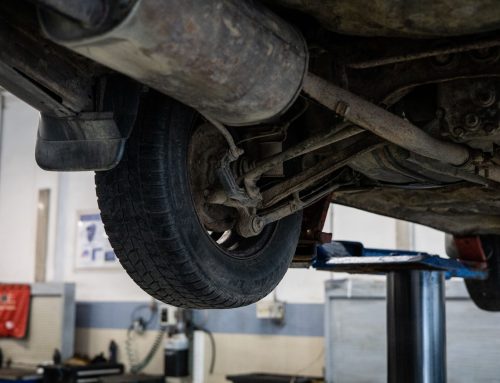
- Inspect your steering and suspension components
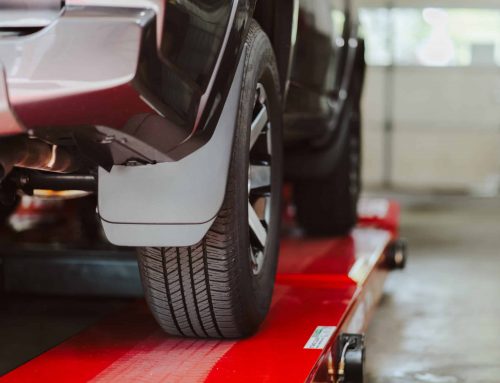
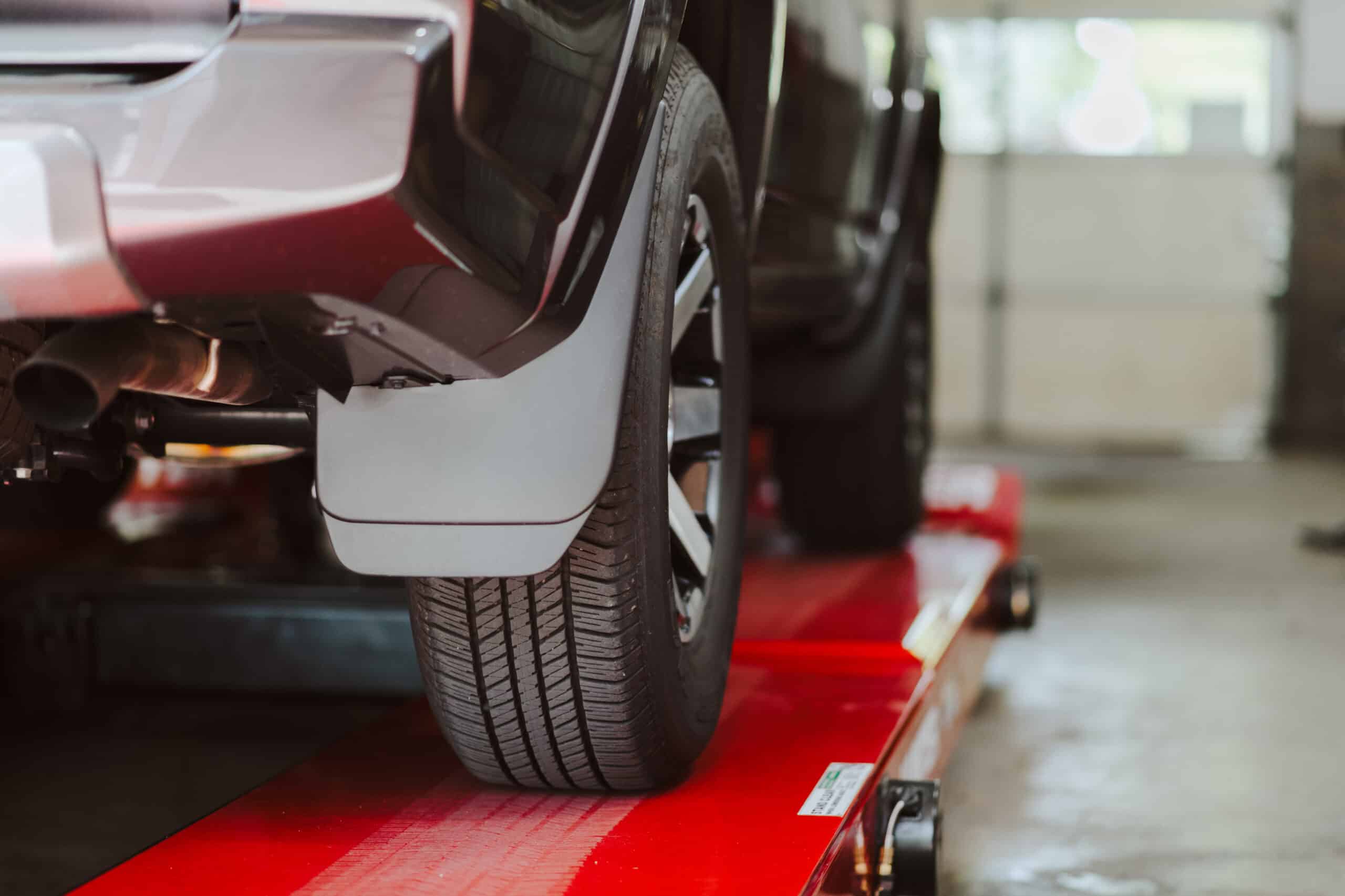
- Measure your vehicle’s current alignment using precision equipment
- Adjust the toe, camber, and caster angles as needed
- Verify everything meets manufacturer specifications
- Ensure your vehicle is ready for safe, confident driving
Our goal is to maximize tire life while restoring smooth, predictable handling.
Why Choose McCormick Tires and Lube?
At McCormick Tires and Lube, wheel alignments are about more than correcting tire angles—they’re about protecting your investment and keeping your family safe on the road.
Drivers throughout Fort Collins choose us because we offer:
- Experienced, knowledgeable technicians
- Precision alignment equipment
- Honest recommendations with no unnecessary upselling
- Comprehensive tire inspections
- Friendly, dependable local service
Because we work with Colorado drivers every day, we understand how local road conditions affect your vehicle and what it takes to keep it performing its best.
Schedule Your Wheel Alignment Today
If your vehicle is pulling to one side, your steering wheel isn’t centered, or your tires are wearing unevenly, don’t ignore the warning signs. A professional wheel alignment can improve your vehicle’s handling, extend the life of your tires, and help you avoid more expensive repairs down the road.
Whether you need a routine alignment check or you’ve noticed changes in how your vehicle drives, the team at McCormick Tires and Lube is here to help.
Schedule your wheel alignment in Fort Collins today and let our experienced technicians keep your vehicle driving straight, safely, and efficiently.