When summer temperatures rise in Colorado, your tires feel the heat just as much as you do. While many drivers associate tire problems with winter weather, hot pavement and rising temperatures can have a significant impact on tire pressure, performance, and overall safety.
Whether you’re commuting around town or heading into the mountains for a weekend getaway, maintaining proper tire pressure is one of the simplest ways to improve your vehicle’s handling, fuel efficiency, and reliability.
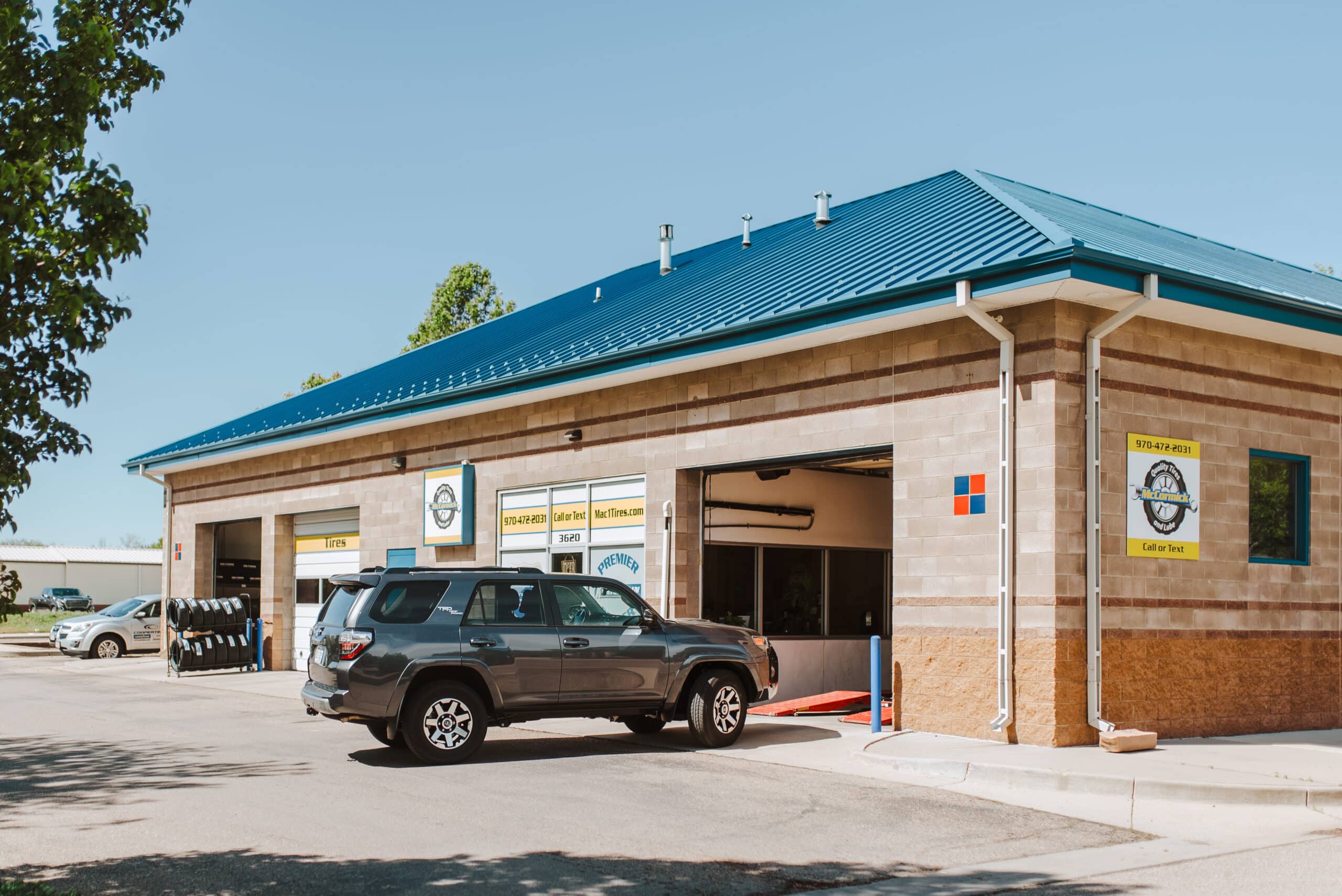
At McCormick Tires and Lube, we’re here to help you stay safe on the road with expert tire inspections and maintenance all summer long.
How Summer Heat Affects Tire Pressure
Air expands as temperatures increase, causing the air inside your tires to expand as well. As a result, tire pressure naturally rises during hot weather and after extended driving.
Colorado drivers face additional challenges because temperatures can fluctuate dramatically throughout the day. A cool mountain morning can quickly turn into a hot afternoon, causing tire pressure to change along the way.
While small fluctuations are normal, improperly inflated tires can affect your vehicle’s safety and performance.
Before your next road trip, stop by McCormick Tires and Lube for a professional tire inspection and pressure check.
Why Proper Tire Pressure Matters
Maintaining the correct tire pressure is about more than simply avoiding a flat tire. Properly inflated tires help your vehicle perform as it was designed.
Better Safety
Correct tire pressure improves:
- Traction
- Braking performance
- Steering response
- Overall vehicle stability
This is especially important during sudden stops or summer rainstorms.
Improved Fuel Efficiency
Underinflated tires create more rolling resistance, forcing your engine to work harder and consume more fuel.
Keeping your tires properly inflated can help maximize fuel economy during your daily commute or your next summer road trip.
Longer Tire Life
Even tire pressure helps distribute your vehicle’s weight evenly across the tread.
This results in:
- More even tread wear
- Longer tire life
- Better overall performance
Routine tire pressure checks can help you get the most out of your tire investment.
Risks of Underinflated Tires
Driving with low tire pressure is one of the most common and preventable causes of premature tire wear. Underinflated tires can lead to:
- Increased heat buildup
- Faster tread wear along the outer edges
- Poor handling
- Reduced fuel efficiency
- Greater risk of tire failure or blowouts
The combination of low tire pressure and hot summer pavement creates additional stress that can increase the likelihood of tire damage during long drives.
Risks of Overinflated Tires
Too much air can also create problems. Overinflated tires may cause:
- Reduced traction
- Uneven wear in the center of the tread
- A rougher ride
- Less responsive handling
Proper inflation is about finding the manufacturer’s recommended tire pressure—not simply adding as much air as possible.
How to Check Tire Pressure Correctly
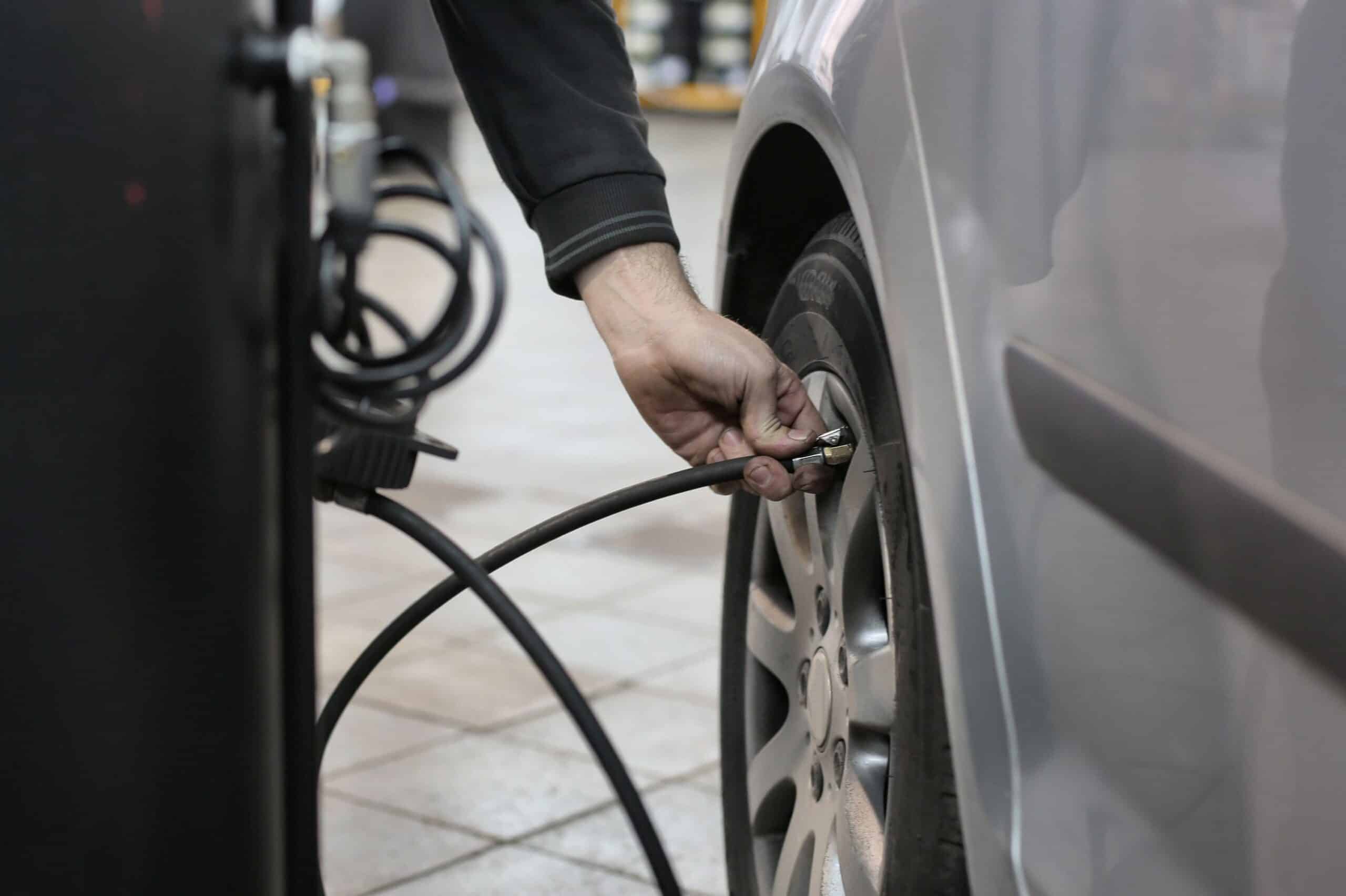
Checking your tire pressure only takes a few minutes and can make a big difference.
For the most accurate reading:
- Check tire pressure before driving, when the tires are cold.
- Use a reliable tire pressure gauge.
- Follow the recommended PSI listed on the driver’s side door jamb, not the maximum PSI printed on the tire sidewall.
If you’re unsure what your tire pressure should be, our team is happy to help.
Signs Your Tire Pressure May Be Incorrect
Your vehicle may already be giving you clues that something isn’t right.
Watch for:
- Tire Pressure Monitoring System (TPMS) warning light
- Uneven tread wear
- Vehicle pulling to one side
- Reduced fuel economy
- Tires that appear visibly underinflated
- Less responsive handling
If you notice any of these symptoms, it’s a good idea to have your tires inspected before they lead to bigger problems.
Summer Tire Maintenance Tips
Proper tire pressure is only one part of keeping your tires in excellent condition during the summer.
For maximum safety and performance, remember to:
- Check tire pressure regularly.
- Rotate your tires according to your vehicle’s maintenance schedule.
- Inspect tread depth.
- Look for cracks, punctures, bulges, or uneven wear.
- Have your wheel alignment checked if your vehicle pulls to one side.
- Don’t forget to inspect your spare tire before road trips.
Routine maintenance helps extend tire life and reduces the risk of unexpected tire problems while traveling.
Why Choose McCormick Tires and Lube?
At McCormick Tires and Lube, we understand how Colorado’s unique climate affects your tires. From changing elevations to hot summer highways, our experienced technicians know what to look for and how to keep your vehicle performing safely.
Drivers trust us because we provide:
- Professional tire inspections
- Tire pressure checks
- Tire rotations
- Tire repairs and replacements
- Honest recommendations and friendly service
Whether you’re preparing for a family vacation or simply keeping up with routine maintenance, we’re here to help you get the most out of your tires.
Keep Your Tires Road-Ready This Summer
Colorado’s summer heat can have a bigger impact on your tires than many drivers realize. Maintaining the correct tire pressure improves safety, extends tire life, and helps you avoid unnecessary repairs or roadside breakdowns.
Don’t wait until your tire pressure warning light comes on. Visit McCormick Tires and Lube today for a professional tire inspection and pressure check, and drive with confidence all summer long.