Living in Colorado means preparing your vehicle for rapidly changing conditions. While summer tires deliver excellent performance in warm weather, they begin to lose flexibility and traction as temperatures drop. So, when should you switch from summer to winter tires in Colorado?
For most drivers, the answer has more to do with temperature than the first snowfall.
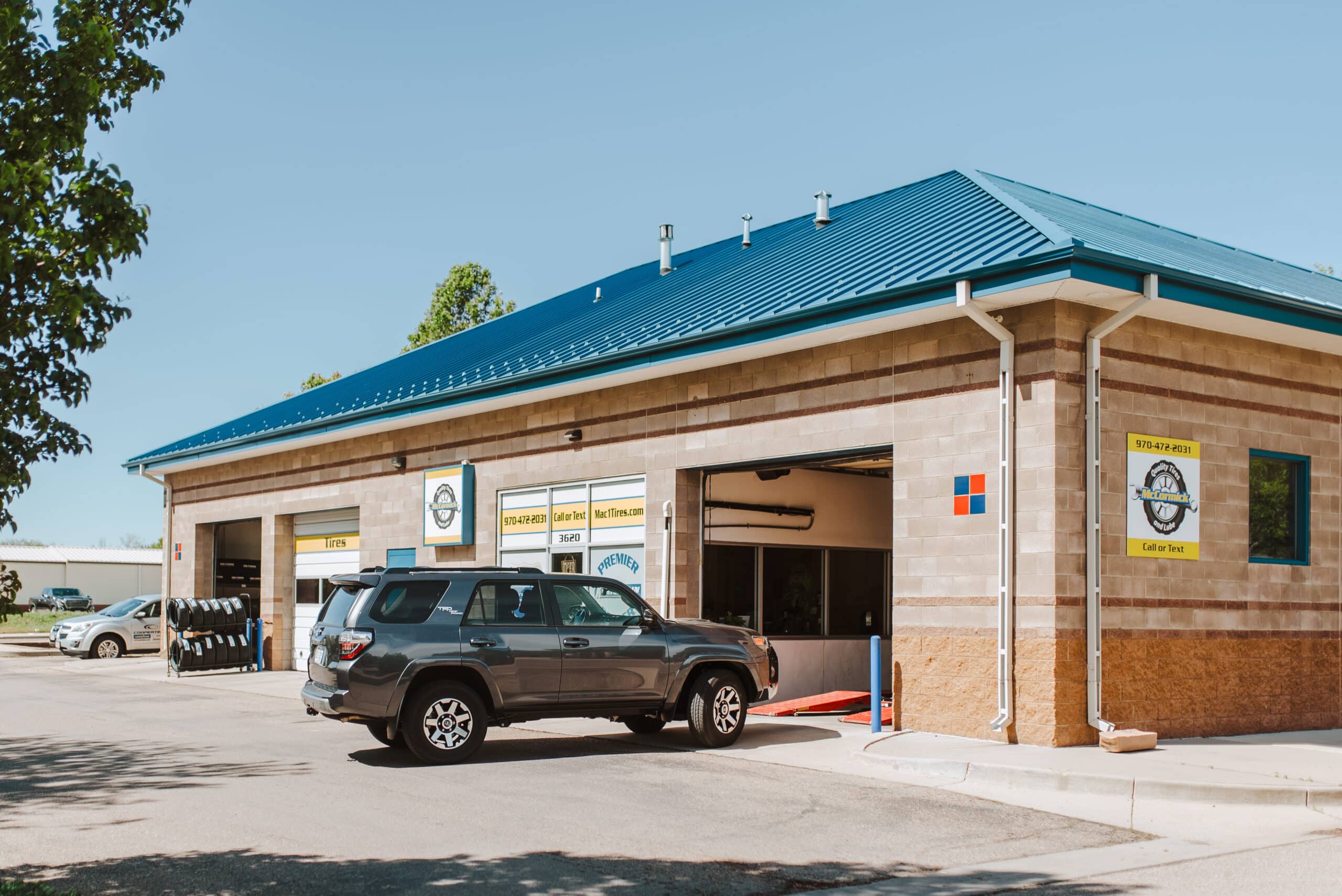
At McCormick Tires & Lube, we help Fort Collins drivers prepare for every season. Here’s how to time your winter tire changeover and why making the switch before the snow arrives matters.
When Should You Switch to Winter Tires in Colorado?
A good rule of thumb is to switch to winter tires when temperatures are consistently around or below 45°F. You don’t need to wait until snow is in the forecast.
Summer tires are engineered for warmer conditions, and their rubber compounds become less flexible as temperatures fall. That can mean less traction and reduced performance—even when the roads are completely dry.
In Fort Collins, it’s a good idea to start watching overnight and morning temperatures in early fall and schedule your tire change before consistently cold weather arrives. Drivers who frequently travel to higher elevations may want to make the switch even earlier.
Colorado Weather Factors to Consider
Colorado drivers face unique driving conditions:
- Early Snowfalls: In higher elevations, snowstorms can hit as early as September. Waiting too long leaves you vulnerable to the elements.
- Rapid Weather Shifts: Sunshine in the morning can turn into icy roads by evening. Winter tires help you handle the unexpected.
- Mountain travel: If fall and winter mean regular trips into the Rockies, you’ll want to be prepared for conditions that may be very different from those in Fort Collins.
- I-70 Traction Law: Colorado enforces traction laws during winter storms. Having proper winter tires can keep you legal and safe on our scenic mountain passes.
Why Winter Tires Are Worth It
Winter tires are designed with softer rubber compounds that stay flexible in freezing temperatures, plus tread patterns built to grip snow and ice. Benefits include:
- Shorter stopping distances on snow and ice.
- Better control on cold, dry pavement.
- Peace of mind for mountain driving and ski trips.
Investing in a set of winter tires can save you money in the long run. They reduce accident risks and improve overall tire life, a win-win!
Common Mistakes Drivers Make
- Waiting for the first snow: By then, it’s too late. Cold temperatures already reduce your tires’ performance.
- Relying on all-season tires: Despite the name, all-seasons don’t provide the same level of safety on icy Colorado roads.
- Not checking tread depth: Even winter tires lose effectiveness if they’re worn down.
Why You Shouldn’t Use Summer Tires in Cold Weather
Summer tires aren’t designed for Colorado’s colder winter temperatures. As temperatures fall, the rubber becomes firmer and less able to conform to the road surface, which can reduce traction.
Winter tires use rubber compounds designed to remain flexible in cold weather, along with tread patterns engineered to handle snow, slush, and ice. That’s why the switch shouldn’t be based on snowfall alone, the temperature matters, too.
Schedule Your Winter Tire Change in Fort Collins
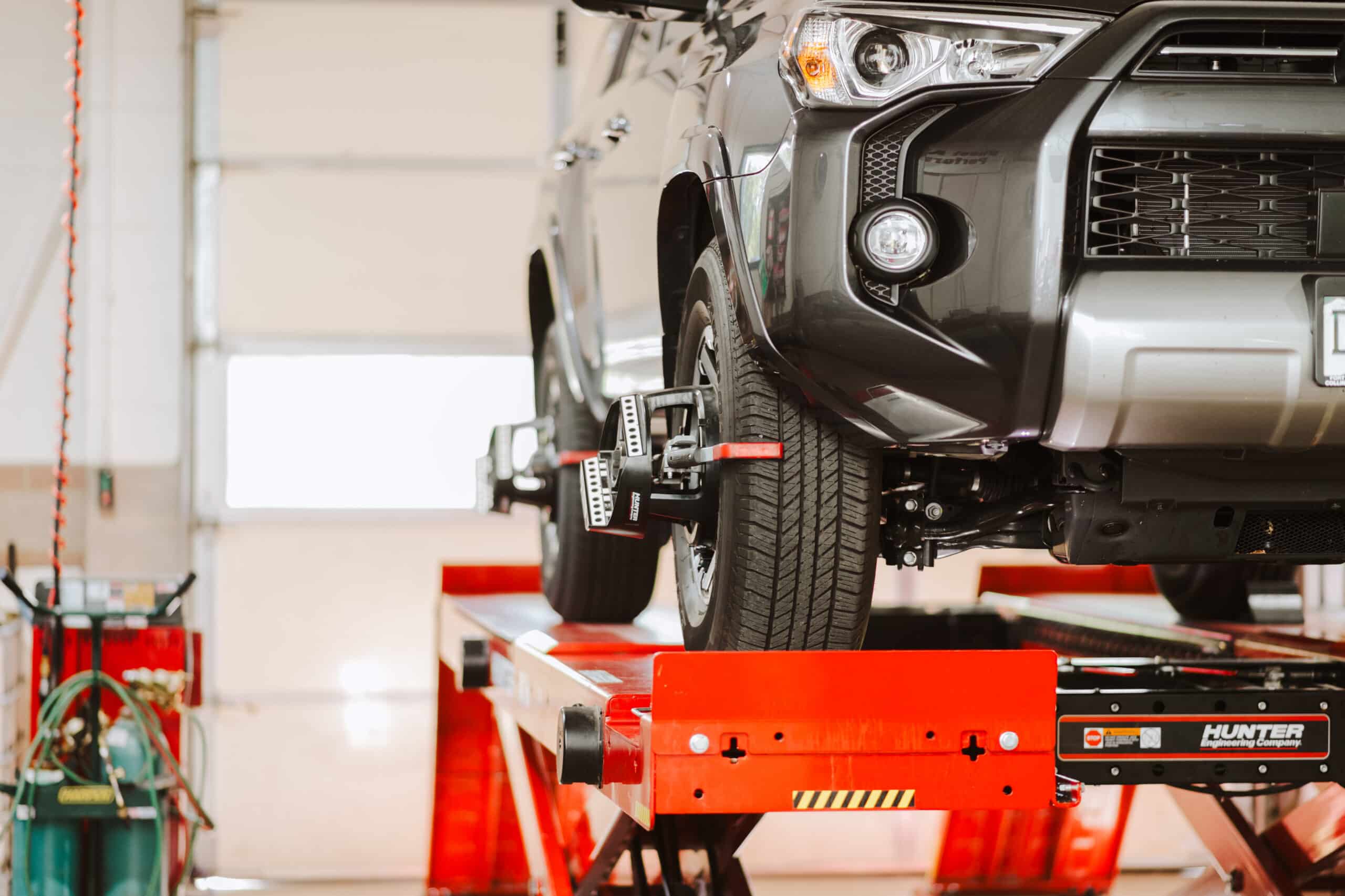
Don’t wait for the first Colorado snowstorm to make the switch. McCormick Tires & Lube makes seasonal tire changeovers simple, with professional tire installation and convenient tire storage for Fort Collins drivers.
Are you ready to switch to winter tires? Contact McCormick Tires & Lube today and schedule your seasonal tire change!