
Your tires can tell you a lot about the condition of your vehicle. While all tires wear down over time, uneven tire wear can point to problems with tire pressure, wheel alignment, suspension components, or routine maintenance.
Catching unusual wear early can help you get more life from your tires. It can also improve handling and help uncover other vehicle problems before they get worse.
So, what should you look for? Let’s break down common tire wear problems, what they may mean, and when it’s time to have your tires inspected.
What Does Uneven Tire Wear Mean?
Ideally, your tires should wear relatively evenly across the tread. However, driving conditions and vehicle issues can cause certain areas to wear faster than others.
Uneven tire wear may point to:
- Incorrect tire pressure
- Wheel alignment problems
- Worn suspension components
- Unbalanced tires
- Missed tire rotations
- Other steering or mechanical issues
The location and pattern of the wear can provide useful clues. That’s why simply replacing a worn tire may not solve the problem. Finding the underlying cause can help prevent the same wear from happening to your new tires.
Noticing unusual tread wear? Bring your vehicle to McCormick Tires & Lube for a professional tire inspection.
Common Types of Uneven Tire Wear
Different tire wear patterns often have different causes. Take a look across the entire tread surface rather than checking just one spot.
Here are several patterns you may notice.
1. Wear on the Inside or Outside Edge
If one edge of a tire wears much faster than the rest, your vehicle may have an alignment issue.
Your wheels need to meet the road at specific angles. When those angles move outside the manufacturer’s specifications, one part of the tire may carry more of the load.
You may also notice your vehicle pulling to one side or a steering wheel that doesn’t sit straight.
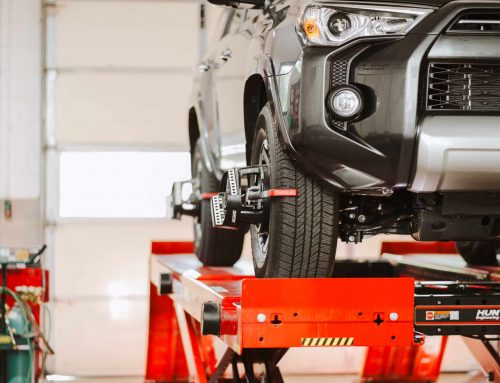
A professional wheel alignment can determine whether incorrect alignment angles are contributing to the wear.
2. Wear on Both Outer Edges
If both shoulders of the tire are wearing faster than the center, check your tire pressure.
Underinflation can cause the outer portions of the tread to make more contact with the road. Over time, that can create excessive wear along both edges.
Low tire pressure can also affect handling and fuel efficiency. Check your pressure regularly and follow the PSI recommended by your vehicle manufacturer.
3. Excessive Wear in the Center
A tire that’s wearing faster through the center of the tread may have too much air pressure.
Overinflation can change how the tire meets the road. As a result, the center may experience more wear than the outer edges.
Always use your vehicle manufacturer’s recommended tire pressure. Don’t use the maximum PSI printed on the tire sidewall as your target pressure.
4. Cupping or Scalloped Tire Wear
Cupping creates a series of dips or scalloped areas around the tire tread. You may also notice vibration or increased road noise while driving.
Several issues can contribute to this type of tire wear, including:
- Worn suspension components
- Tire balance problems
- Alignment issues
Because several problems can create a similar pattern, it’s best to have the vehicle professionally inspected.
5. Patchy or Irregular Tread Wear
Some tires develop random areas of excessive wear rather than one consistent pattern.
Irregular tread wear can have several causes. Tire balance, wheel alignment, suspension condition, and maintenance history can all play a role.
A technician can inspect both the tires and related vehicle components to find the source of the problem.
6. One Tire Is Wearing Faster Than the Others
What if three tires look fine but one is wearing out much faster?
Uneven wear on a single tire can point to a localized alignment, suspension, or tire issue. Skipping regular rotations can also allow some tires to wear faster than others.
Compare all four tires when checking tread condition. Differences between them may reveal a problem that isn’t obvious when you inspect only one tire.
Can Bad Wheel Alignment Cause Uneven Tire Wear?
Yes. Tire alignment problems are a common cause of uneven tread wear.
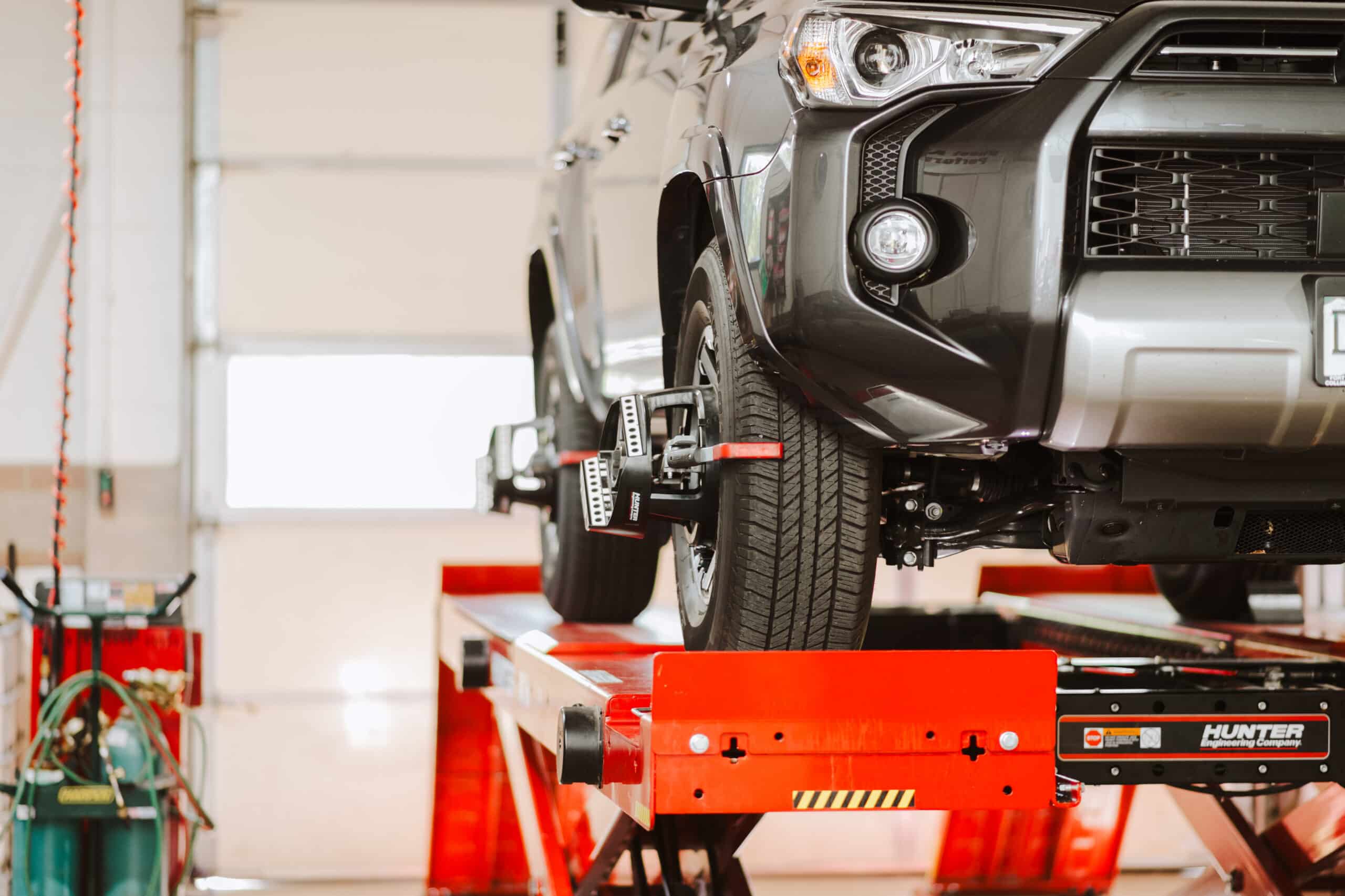
Wheel alignment controls the angles at which your wheels meet the road. If those angles are incorrect, your tires may not make even contact with the pavement.
Common signs of wheel alignment problems include:
- Inside or outside edge wear
- Vehicle pulling to one side
- Crooked steering wheel while driving straight
- Tires wearing faster than expected
Potholes, curb strikes, rough roads, and normal suspension wear can all affect alignment.
Fort Collins drivers may encounter plenty of these hazards throughout the year. If you’ve hit a significant pothole or notice changes in your steering, an alignment check can help protect your tires.
Can Incorrect Tire Pressure Cause Uneven Wear?
Yes. Both underinflation and overinflation can contribute to tire wear problems.
Underinflated tires tend to place more pressure on the outer edges of the tread. Overinflated tires may concentrate more wear near the center.
Proper tire pressure helps your tires maintain the right contact with the road. It also supports predictable handling and even tread wear.
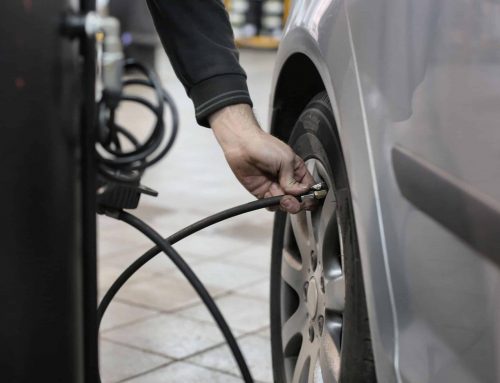
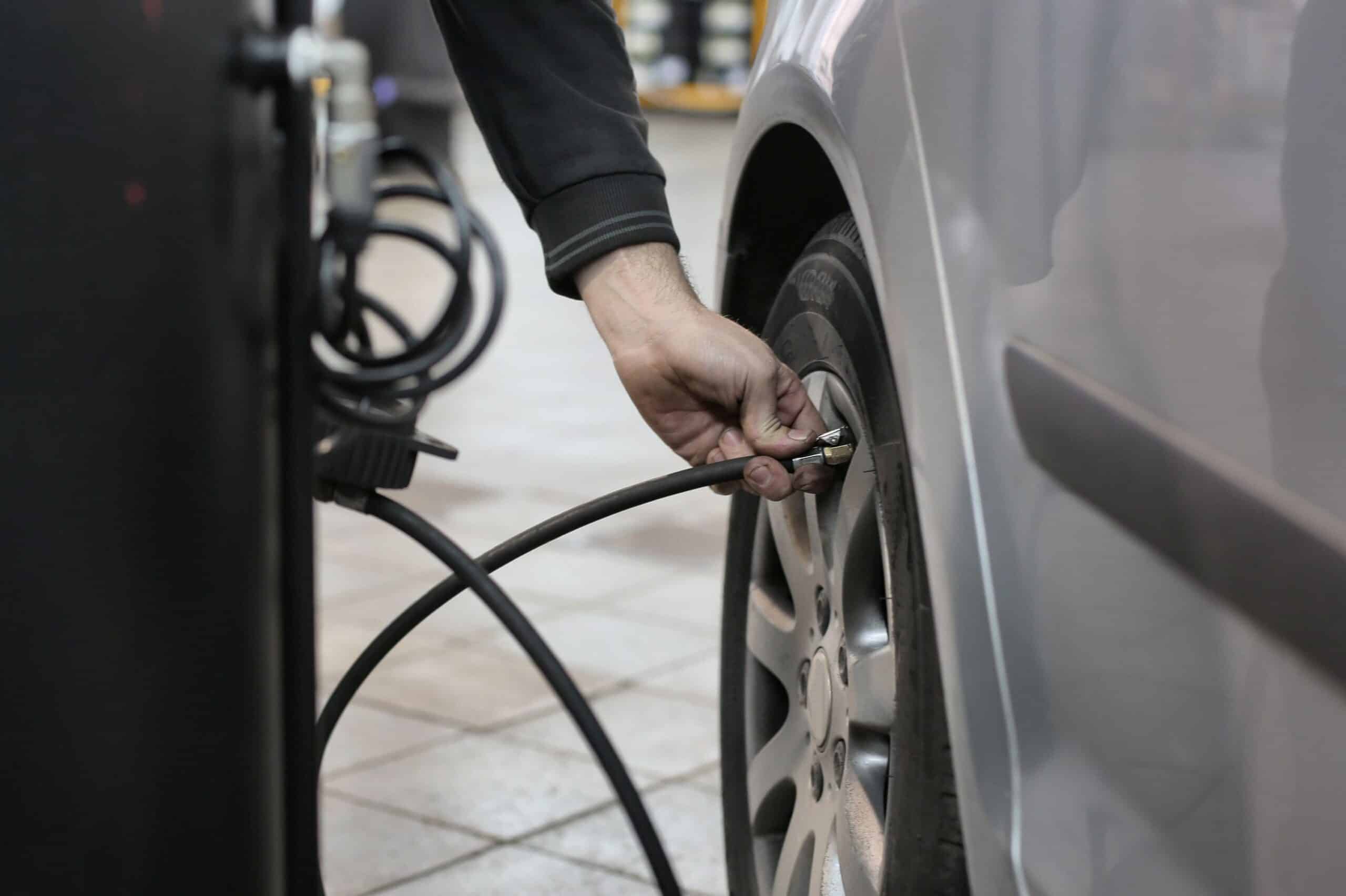
For an accurate reading, check your tire pressure when the tires are cold. Use the recommended PSI listed on your vehicle’s door jamb or in the owner’s manual.
How Tire Rotations Help Prevent Uneven Tire Wear
Your tires don’t all experience the same forces while you drive.
Depending on your vehicle, the front or rear tires may handle more acceleration, steering, or braking forces. This can cause some tires to wear faster than others.
Regular tire rotations move the tires to different positions on your vehicle. That helps distribute wear more evenly across the set.
Keeping up with rotations can:
- Promote even tread wear
- Extend tire life
- Maintain consistent handling
- Give technicians regular opportunities to inspect your tires
Follow the rotation schedule recommended for your vehicle and tires.
When Uneven Tire Wear Could Point to a Suspension Problem
Sometimes, the problem isn’t the tire itself.
Your suspension helps keep your tires firmly and consistently in contact with the road. When suspension components wear, they can change how a tire moves and meets the pavement.
Possible warning signs include:
- Cupped tire wear
- Excessive vibration
- Unusual noises
- Changes in handling
- Vehicle pulling to one side
Replacing the tire without addressing the suspension problem may cause the new tire to develop similar wear.
That’s why a thorough inspection matters. It allows a technician to look beyond the tread and determine what may be causing the problem.
Is It Safe to Drive on Unevenly Worn Tires?
It depends on how severe the wear is and what’s causing it.
Unevenly worn tires may have less usable tread in certain areas. This can reduce traction and affect your vehicle’s handling or braking performance.
You should have your tires inspected promptly if you notice:
- Bald or nearly bald areas
- Exposed cords
- Bulges or other visible damage
- Severe uneven wear
- Significant vibration or handling changes
If you’re unsure about the condition of your tires, don’t guess. A professional inspection can help determine whether they’re still safe to use or need to be replaced.
How to Check Your Tires for Uneven Wear
You don’t need to wait for a warning light to take a closer look at your tires.
Make tire inspections part of your regular vehicle maintenance. When checking them:
- Look across the entire tread surface.
- Check both the inner and outer edges.
- Compare tread depth in several places.
- Compare all four tires with each other.
- Look for bald spots, cupping, cracks, or bulges.
- Pay attention to changes in road noise or vibration.
Some wear can be difficult to see from outside the vehicle. Regular professional inspections can catch problems you may miss at home.
How to Prevent Uneven Tire Wear
You can’t eliminate normal tire wear, but good maintenance can help your tires last longer.
A few simple habits make a difference:
- Maintain the correct tire pressure.
- Rotate your tires regularly.
- Keep your wheels properly aligned.
- Balance tires when needed.
- Address steering or suspension problems promptly.
- Inspect your tread regularly.
- Have unusual wear diagnosed before replacing tires.
Taking care of the cause, not just the worn tire, can help protect your next set of tires too.
Why Choose McCormick Tires & Lube?
Uneven tire wear isn’t always just a tire problem. That’s why it helps to choose a shop that can look at the bigger picture.
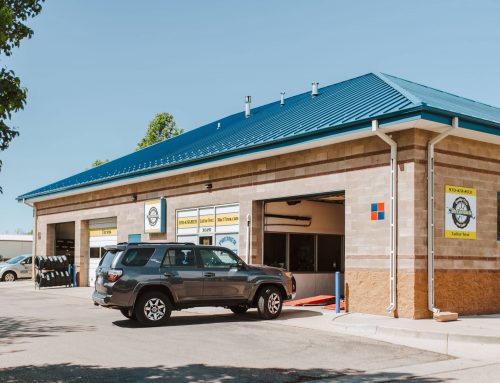
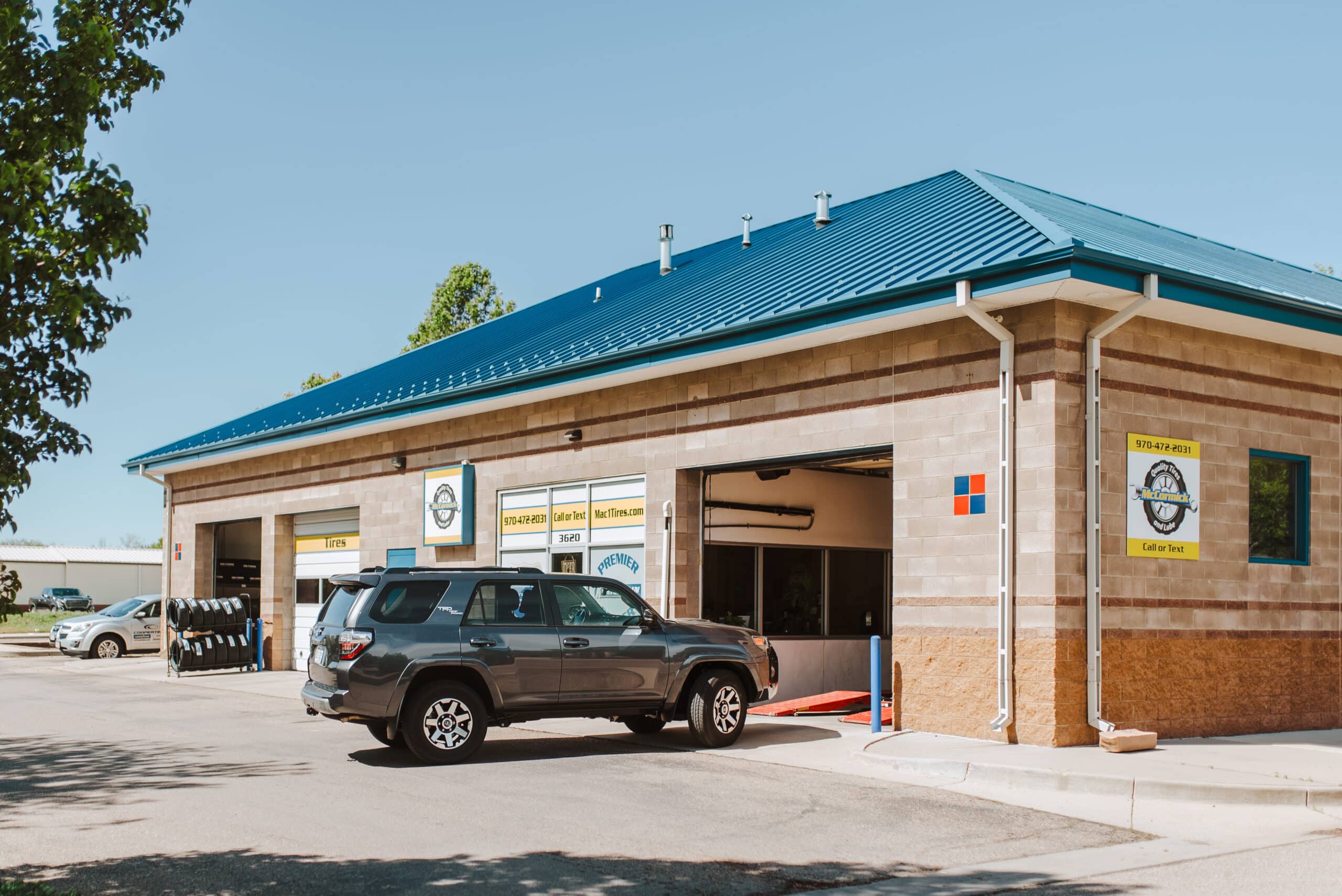
At McCormick Tires & Lube, our team can inspect your tires and help determine the cause of abnormal wear. Whether you need routine maintenance or a new set of tires, we’ll recommend the right next step for your vehicle.
Our tire services include:
- Tire inspections
- Tire rotations
- Tire balancing
- Wheel alignments
- Tire repairs
- Tire replacements
We understand the demands that Fort Collins and Colorado roads place on your tires. Our goal is to help you get the most from them while keeping your vehicle safe and performing properly.
Don’t Ignore Uneven Tire Wear
Your tire tread can provide an early warning that something isn’t right. Incorrect pressure, tire alignment problems, suspension issues, and missed maintenance can all create unusual wear patterns.
The sooner you identify the cause, the better your chances of protecting your tires and preventing additional problems.
Noticing uneven tire wear? Schedule a tire inspection with McCormick Tires & Lube today. We’ll identify the potential cause and help keep your tires performing at their best.